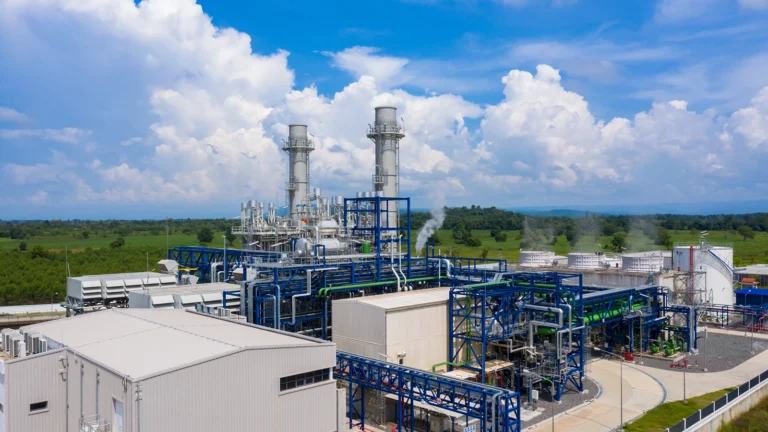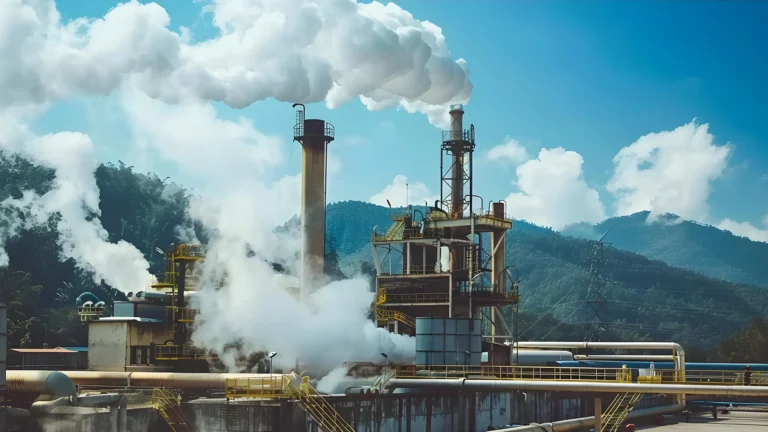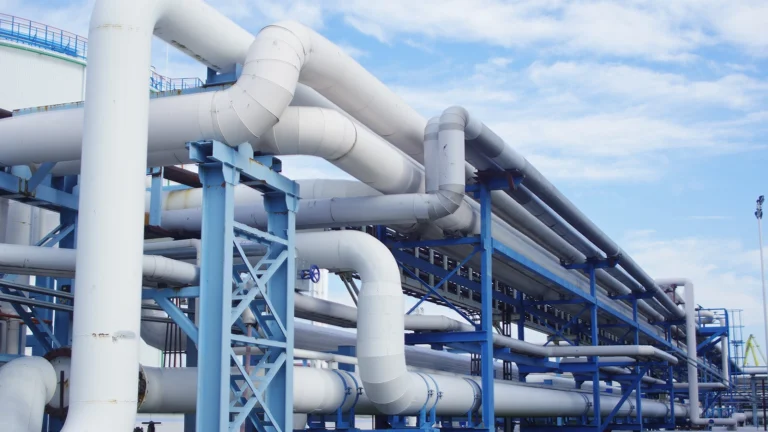
Project management in the oil and petrochemical industries is considered one of the most complex and sensitive management fields, because these projects are usually carried out on a large scale, with huge investments and high technical and environmental risks. Success in this type of project requires careful planning, coordination among different departments, and continuous process control.
At the start of any project, the definition and feasibility stage is especially important. In this stage, the project objectives, scope of work, required resources, and economic analysis are determined. Feasibility studies include technical, financial, and environmental assessments that determine whether the project is justifiable. In the oil and petrochemical industries, this stage is even more important due to technical complexity and energy market fluctuations.
After project approval, the planning stage begins. In this stage, the work breakdown structure (WBS), schedule, resource allocation, and cost estimation are prepared. Tools such as Gantt charts and project management software help managers organize activities accurately. In oil projects, precise scheduling is highly important, because delays can lead to a significant increase in costs and the loss of economic opportunities.
One of the most important aspects of project management in these industries is risk management. Oil and petrochemical projects face many risks, including technical, financial, political, and environmental risks. Identifying, assessing, and planning to reduce these risks is one of the project manager’s key duties. For example, fluctuations in oil prices can greatly affect project profitability, so different scenarios must be considered to manage these changes.
Human resource management also plays an important role in project success. Oil and petrochemical projects usually require specialized teams of engineers, technicians, and experts. Creating coordination among these teams and ensuring their productivity are important responsibilities of the project manager. In addition, training and improving employees’ skills can help enhance project performance.
During the execution stage, project monitoring and control become very important. The project manager must continuously compare progress with the original plan and take corrective actions if deviations occur. Cost, time, and quality control are the three main pillars of this stage. The use of key performance indicators (KPIs) helps managers evaluate the project status accurately.
Another important aspect in this field is procurement and supply chain management. The equipment and materials needed in oil and petrochemical projects are usually complex and expensive, and timely procurement is very important. Delays in supplying equipment can cause serious problems for the entire project. Therefore, selecting reliable suppliers and managing the supply chain are key factors in project success.
Safety and environmental issues are also highly important in these industries. Oil and petrochemical projects involve potential hazards such as explosions, chemical leaks, and environmental pollution. Therefore, compliance with safety standards and implementation of HSE (Health, Safety, and Environment) management systems are essential. These measures not only prevent accidents but also help protect the company’s reputation.
Finally, the project closeout stage includes final delivery, performance evaluation, and documentation of lessons learned. This stage helps organizations use the experience gained in future projects and improve their performance.
In general, project management in the oil and petrochemical industries requires a combination of technical knowledge, management skills, and decision-making ability in complex conditions. Given the importance of these industries in the global economy, improving project management processes can play an important role in increasing productivity, reducing costs, and achieving sustainable development.